
The Secrets of Burnout: What Your Body Is Telling You
Burnout deserves attention without overstating the science. In the American Psychological Association’s 2023 Work in America survey, 77% of workers reported work-related stress during the previous month. That is a stress statistic, not a finding that 77% had burnout.

The World Health Organization describes burnout as an occupational phenomenon involving exhaustion, distance or cynicism toward work, and reduced professional effectiveness after unmanaged chronic workplace stress. Other life pressures also deserve support, but this definition refers specifically to work.
The Biochemistry of Burnout

Stress involves interacting physical, psychological, and workplace factors. A simple story about one hormone or chemical cannot explain every person’s experience.
Cortisol is produced by the adrenal glands and participates in the stress response. It also has normal roles in metabolism and other body functions. See the Endocrine Society’s adrenal hormone overview.
Fatigue, low motivation, and difficulty concentrating do not establish that serotonin or dopamine has been depleted. This article does not use symptoms to infer neurotransmitter levels.
Pay attention to changes in how you feel and function. Professional assessment can help distinguish workplace stress from other causes of persistent symptoms.
Cortisol: The Stress Hormone
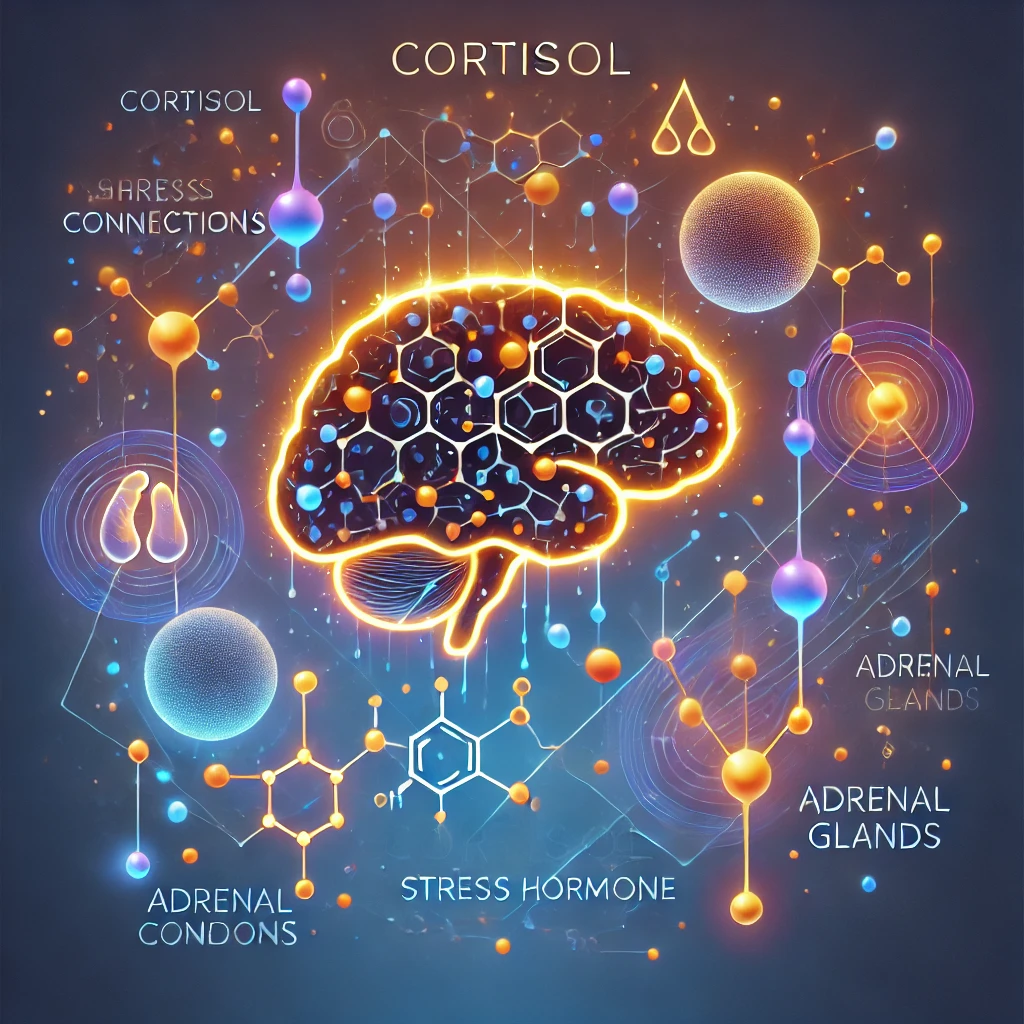
The stress response includes adrenaline and cortisol. It normally settles after a perceived threat passes; persistent stress can keep that response active. Mayo Clinic explains the stress response and its health effects.
Chronic stress can affect sleep, digestion, mood, and concentration. Individual responses vary; feeling burned out does not establish a high or low cortisol level.
Symptoms alone cannot show that cortisol has suppressed other hormones or neurotransmitters. Persistent concerns deserve an individualized evaluation.
Focus on workload, recovery time, and access to support rather than trying to diagnose your hormone levels.
Mood, Motivation, and Concentration

Changes in motivation or concentration are worth noticing. They do not, by themselves, prove a neurotransmitter imbalance.
Illustrative example: a teacher facing growing workloads may feel detached from work she once enjoyed. That change can prompt a conversation about workload and support; it cannot reveal her serotonin or dopamine levels.
When concentration becomes difficult, reduce unnecessary demands where possible and discuss persistent changes with a qualified professional.
Recognizing distress does not require a biochemical explanation. Your experience matters even when its cause has not yet been established.
The Connection Between Stress and Physical Health
Stress and fatigue can affect daily functioning. Persistent exhaustion has many possible causes and should not automatically be attributed to burnout.

Mayo Clinic describes health risks associated with chronic stress, including sleep, digestive, and cardiovascular problems. These general risks do not establish a diagnosis or predict what will happen to any one person.
New or persistent memory and concentration difficulties deserve clinical attention rather than an assumption that burnout has damaged the brain.
Notice symptoms, seek appropriate care, and address the conditions making recovery difficult.
Recognizing Symptoms of Burnout

Notice exhaustion, increasing cynicism or distance from work, and reduced effectiveness. WHO identifies these as dimensions of occupational burnout; they are not a substitute for a medical assessment.
Sleep problems, headaches, digestive discomfort, or persistent fatigue can have many causes. The Endocrine Society states that “adrenal fatigue” is not supported as a medical condition. It is different from adrenal insufficiency, which requires medical diagnosis. Do not infer either condition from feeling overwhelmed.
The earlier one acknowledges these signs, the better equipped they are to take proactive steps towards healing. If you notice yourself becoming irritable over minor annoyances at work or withdrawing socially more than usual, it’s important to pause and reflect on your overall wellbeing rather than dismissing it as temporary stress. Seeking support through therapy or talking with trusted colleagues can help address these feelings before they escalate further. In doing so, you not only empower yourself but potentially uplift others who may be experiencing similar struggles in silence.
Ultimately, understanding how burnout manifests allows you to become more attuned to your body’s signals—each symptom serving as a reminder that self-care is not just beneficial; it’s essential. By connecting with professionals early on and exploring healthy lifestyle changes, such as improved nutrition and regular exercise tailored to individual needs, people facing burnout can reclaim control over their mental health and physical wellness before the effects become chronic.
Strategies to Combat Burnout
Start with realistic changes: protected rest, regular meals, and a review of demands that exceed your capacity. Food choices should fit your health needs and allergies; no food is presented here as a way to correct a presumed neurotransmitter deficiency.
Choose physical activity that fits your health and ability. A short walk may be a manageable starting point; this article does not promise a particular cortisol change or recovery timeline.
Mindfulness, breathing exercises, or quiet breaks may help some people manage stress. They should complement appropriate support and changes to working conditions.
A qualified mental health professional can help you explore coping strategies and treatment when appropriate. Persistent or worsening symptoms also warrant medical evaluation.
The Role of Support Systems

Trusted friends, family, colleagues, and professional support can make it easier to discuss difficulties and ask for practical help.
Workplace culture is another cornerstone in creating an environment conducive to well-being. A company that values openness and encourages employees to seek help when struggling is far more likely to prevent burnout among its workforce. In contrast, organizations characterized by competitive atmospheres or rigid hierarchies often see higher levels of stress and disengagement. Consider a company that actively promotes mental health days or flexible work arrangements—these practices might seem minor on the surface but can significantly reduce employees’ perceived pressure and anxiety levels. The presence of supportive managers who listen and validate concerns can offer a crucial buffer against stressful periods.
Moreover, fostering inclusivity within workplace dynamics can amplify emotional regulation among staff members. When employees feel genuinely valued for their contributions rather than just cogs in the machine, they’re more likely to engage positively with both their work and colleagues. This sense of belonging creates a feedback loop: satisfied employees collaborate better, leading to increased productivity—which further enhances overall morale within the company. Implementing peer mentorship programs where experienced workers are paired with newer recruits can provoke candid dialogues about challenges faced on the job while reinforcing community ties.
Support works best alongside realistic expectations and a workplace where people can raise concerns safely.
Long-Term Health Implications
Ongoing stress deserves attention. Long-term health risks vary, and burnout should not be used to explain every physical or mental health change.
Do not assume persistent symptoms are simply stress. A healthcare professional can consider other causes and recommend an appropriate assessment.
It’s crucial to shift our perspective on burnout from seeing it as a personal failing to recognizing it as an urgent public health concern. By framing burnout in terms of societal responsibility rather than individual weakness, we can foster environments that prioritize mental health support and preventative care. Companies that provide resources for managing stress can significantly mitigate the long-term consequences associated with employee burnout while promoting an overall healthier workplace culture.
Ultimately, embracing a proactive approach towards understanding burnout offers hope for recovery and restoration of balance in both work and life. Acknowledging its serious ramifications removes stigma surrounding mental health issues and fosters open discussions about wellness practices. With increasing awareness comes the opportunity to implement strategies that protect both body and mind against the insidious grasp of chronic stress effects—an endeavor worth pursuing for ourselves and future generations.
Empowering Recovery Through Understanding

Burnout can affect how people experience and perform their work. Its signs do not prove elevated cortisol or depleted neurotransmitters. Useful next steps include reviewing demands, protecting recovery time, and seeking appropriate support.
Recovery support should fit the person and the working conditions. Sustainable changes may include workload adjustments, clearer boundaries, rest, and professional care. This article provides general education and does not diagnose or treat a medical condition.


